

Alcohol and Anxiety Disorders
Alcohol and Anxiety Disorders – Anxiety is a normal human reaction that is related to the brain’s “fight or flight” response mechanism.
Alcohol and Anxiety Disorders Read More »

Alcohol and Anxiety Disorders – Anxiety is a normal human reaction that is related to the brain’s “fight or flight” response mechanism.
Alcohol and Anxiety Disorders Read More »
How Long Does Klonopin Stay in Your System? – Klonopin (clonazepam) is a prescription drug commonly prescribed to treat anxiety, panic, and seizure disorders. Klonopin is classified as a benzodiazepine,
How Long Does Klonopin Stay in Your System? Read More »

Am I an Alcoholic?: The Difference Between Casual Alcohol Use and Addiction – According to the 2015 National Survey on Drug Use and Health (NSDUH),
Am I an Alcoholic? Read More »

Is Alcohol a Depressant? – Alcohol is classified as a central nervous system (CNS) depressant, but the answer is slightly more complicated than that.
Is Alcohol a Depressant? Read More »

Negative Effects of Alcohol: Physical, Emotional, and Social – Drinking too much alcohol, whether occasionally or consistently over time can take a severe toll on one’s emotional and physical well-being.
Effects of Alcohol Read More »

An overdose on drugs or alcohol can result in life-threatening effects. These effects can vary somewhat depending on the substances used. Still, in general, an overdose will cause confusion and disorientation,
What Is a 12-Step Program? Read More »
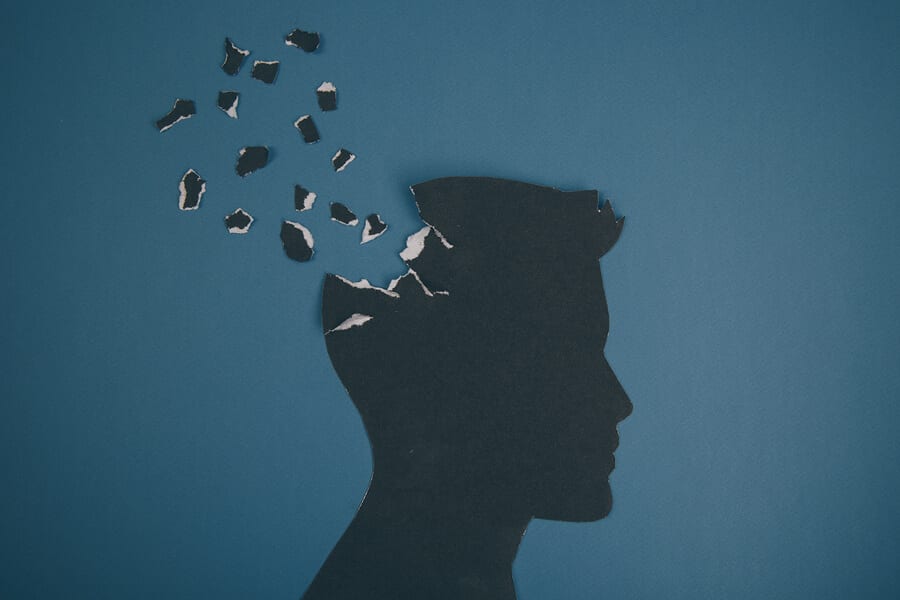
What Is Wet Brain? – Wet brain is a certain kind of damage to the brain that develops after chronic, excessive alcohol use. Also known as Wernicke-Korsakoff syndrome, wet brain is caused by a thiamine (vitamin B1) deficiency. Thiamine is a vitamin vital for the body that doesn’t occur naturally—a person must ingest it to reach their daily recommended amount. Levels of thiamine in a person’s body decrease as a result of a deficient diet, which sometimes occurs among those who chronically abuse alcohol. Also, alcohol impedes the absorption of thiamine and reduces the reserve of thiamine stored in the liver. Alcohol also interferes with an enzyme that switches thiamine into an active state. Thiamine is a coenzyme employed by the body to metabolize food for energy and to maintain proper heart, nerve, and brain function. Several enzymes in the brain require thiamine to work correctly, and some enzymes that need thiamine are essential for the synthesis of brain neurotransmitters, including acetylcholine (ACh). ACh is used to carry messages between neurons in the brain and is vital for cognition, learning, and memory.
What Is Wet Brain? Read More »
How To Detox Your Body From Drugs: Medical vs. Home Detox – For most people, detox is the first essential step to long-term sobriety.
How to Detox Your Body From Drugs Read More »

What Is Withdrawal?: Prescription or Illicit Drugs and Alcohol – People who suddenly stop or significantly cut back their use of addictive substances…
What Is Withdrawal? Read More »

Alcohol Withdrawal Medication – Alcohol withdrawal refers to a cluster of symptoms that occur from abrupt cessation of alcohol use following chronic or prolonged consumption.
Alcohol Withdrawal Medication Read More »